November 19, 2026
Caribbean Food Centennial: Flavorful Lessons From the Past
By @andrerzwt220
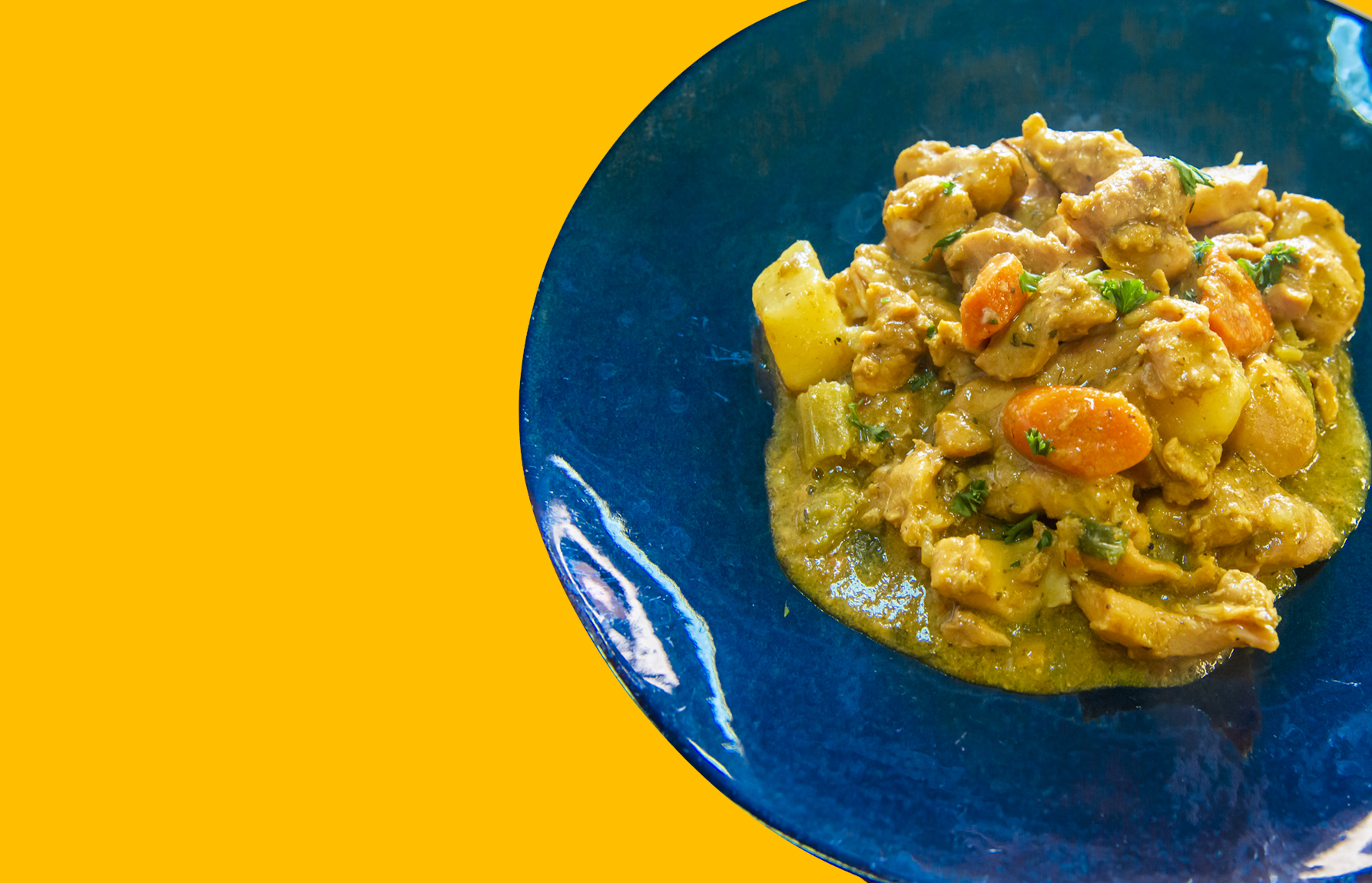
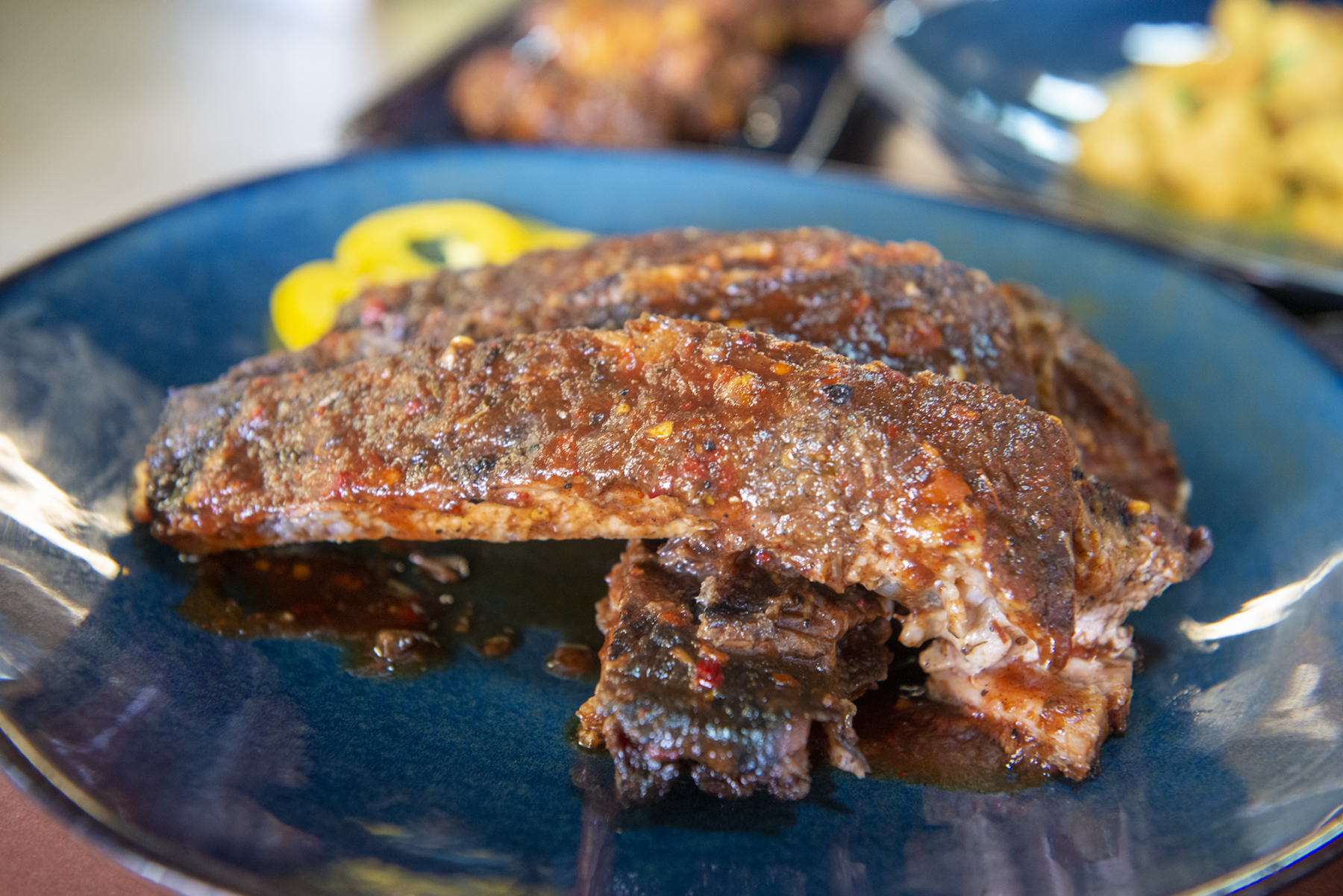

A centennial invites a particular kind of looking back. Not nostalgia for its own sake, but a harder, more useful question: what has endured in Caribbean cooking over the last hundred years, and why? Food across the Caribbean has never been static. It has absorbed migration, colonization, wartime shortages, tourism booms, changing export crops, refrigeration, remittances, and modern health concerns. Yet anyone who has stood near a pot of simmering pelau, leaned over a charcoal pan of jerk, or watched a cook grate fresh coconut by hand knows that continuity runs deep.
The phrase caribbean food centennial suggests celebration, but the better word may be recognition. The region’s food tells a story of adaptation under pressure. Recipes survived because people made them work with what they had, not because ingredients were always abundant or kitchens were always well equipped. If there is a lesson from the past century of Caribbean cooking, it is this: flavor is not an accident. It comes from judgment, patience, and an understanding that food must satisfy the body and the memory at the same time.
A century shaped by movement
Caribbean food can look simple on the plate, but it rarely has a simple history. The past hundred years sharpened patterns already in motion. African culinary knowledge remained foundational in techniques like one-pot cooking, frying, smoking, and the use of okra, yam, plantain, and greens. Indian indentured laborers transformed local cooking with curries, rotis, geera, and chutneys. Chinese communities added methods of stir-frying and noodle preparation. European influence remained visible in salt cod dishes, baking traditions, puddings, and the use of preserved meats. Indigenous knowledge persisted in cassava, pepper sauces, and an intimate understanding of local fish, root crops, and wild plants.
None of these influences stayed neatly separate. In practice, Caribbean kitchens blurred boundaries long ago. A household might season chicken with green herbs and Scotch bonnet, serve it beside rice imported through global trade routes, add a chutney that points to South Asia, and finish the meal with a dessert shaped by British baking habits and local tropical fruit. That blending is not confusion. It is one of the region’s most consistent culinary strengths.
The twentieth century also changed what was available and how often. Tinned milk, corned beef, canned mackerel, flour, rice, and imported seasonings became regular fixtures in many homes. These foods solved real problems. They lasted in hot climates, traveled well to islands with uneven supply, and stretched tight budgets. Some later became targets of criticism in public health discussions, but their historical role matters. They were tools of survival and, in skilled hands, ingredients for deeply satisfying meals.
Scarcity taught cooks to build flavor with discipline
One of the clearest lessons from a Caribbean food centennial is that scarcity often produces better cooks. Not because hardship is romantic, it is not, but because it forces precision. When meat is limited, seasoning matters more. When fuel is costly, one-pot methods become elegant rather than merely practical. When fresh ingredients are seasonal, preservation and timing become part of the cook’s intelligence.
I have learned more from watching older Caribbean cooks stretch modest ingredients than from almost any formal recipe. A small piece of salted pigtail can season a whole pot of beans. A spoonful of burnt sugar can darken and deepen stew chicken without making it sweet. Coconut milk can turn plain rice into a dish with body and fragrance. Green seasoning, whether made with culantro, thyme, scallion, parsley, garlic, onion, and hot pepper or some regional variation, can rescue ingredients that would otherwise taste flat.
This is where outside observers often miss the point. They taste the finished dish and focus on heat or richness. The real craft lies underneath. Browning the meat long enough to develop depth but not bitterness. Washing salt fish thoroughly, then leaving just enough salinity behind. Knowing whether a pot of callaloo needs crab for body or whether smoked turkey will overpower it. Deciding when a curry should bloom in oil and when it needs a splash of water to prevent scorching. These are not decorative choices. They determine whether the meal lands as soulful or clumsy.
Memory lives in the pot
A recipe written caribbean food centennial on paper captures only part of Caribbean food. The rest lives in gesture. Ask a seasoned home cook how much thyme goes into a stew and you may get a shrug, a handful held up, or an answer like “enough until the pot starts to smell right.” That can frustrate cooks trained to expect exact measurements, but it reflects a truth about oral foodways. Taste, smell, texture, and timing have always carried as much authority as written instructions.
That is why intergenerational cooking matters so much. The last century did not preserve dishes by freezing them in place. It preserved them by keeping them in active use at wakes, weddings, Sunday lunches, beach limes, market stalls, roadside grills, and holiday tables. A young person standing nearby learns how long to soak pigeon peas, what “cook down” really means, and why one auntie swears by fresh ginger in sorrel while another refuses it.
The strongest food traditions are rarely the ones most perfectly documented. They are the ones people keep cooking because the dish still fits life. Caribbean food has survived because it remained tied to ritual and routine. Black cake at Christmas, bun and cheese at Easter, souse on weekends, soup on Saturdays, conch or fish by the shore, pepper pot during holidays, doubles in the morning, patties on the go. Food stays alive when it has a place in the calendar and in the street, not only in cookbooks.
Technique matters more than luxury ingredients
There is a persistent mistake in modern food culture, the belief that authenticity depends on acquiring rare ingredients or expensive imports. Caribbean cooking argues the opposite. Technique often matters more than prestige.
Take rice and peas, one of the region’s most misunderstood dishes. If the rice is separate, tender, and scented with coconut, thyme, scallion, and allspice, it can be memorable with humble red kidney beans or pigeon peas. If the cooking liquid is weak or the salt is off, no premium rice will save it. The same is true for fried plantain. The difference between greasy slices and properly caramelized, soft-centered plantain is not cost. It is heat control and timing.
Jerk offers another example. The mythology around it can get loud, especially in export markets, but the essentials remain grounded. The quality comes from balance among smoke, spice, sweetness, herbs, and time. A quick marinade and oven blast will not reproduce the same result as pimento wood smoke and patient cooking over live fire. Still, a thoughtful cook working with limited tools can produce something deeply honorable by understanding what each element contributes.
Here are a few enduring technical lessons that the last hundred years of Caribbean cooking keep repeating:
- Season early, not only at the end.
- Respect the browning stage, whether in stew, curry, or sautéed aromatics.
- Build body with natural ingredients such as coconut, okra, breadfruit, cassava, or slow-cooked starches.
- Use heat with restraint. Scotch bonnet should brighten and deepen, not flatten every other flavor.
- Let the dish rest when possible. Many stews, soups, and curries taste better after the flavors settle.
None of these principles is glamorous. All of them are reliable.
The market basket tells the real story
If you want to understand a century of Caribbean food, visit a market rather than a fine dining room. Markets reveal what people actually cook. You see dasheen bush next to pumpkin, bunches of thyme next to shadow beni, dried peas, fresh fish, green bananas, coconuts, breadfruit, mangoes in season, and imported onions piled high because local cooking has made them indispensable. Markets show continuity, but they also reveal change. Alongside traditional produce, you may find packaged seasonings, industrial snacks, and imported staples that now shape daily meals.
This matters because Caribbean food has never been only “farm to table” in the romantic sense. Island and coastal food systems are practical, hybrid, and often vulnerable to shipping disruptions, storms, and price spikes. A century ago, local root crops might have carried more of the everyday burden in some communities. Today, imported rice and flour often do. Yet breadfruit, cassava, yam, sweet potato, and green banana still matter, especially when cooks want satiety, economy, and a stronger link to place.
There is also a nutritional lesson buried here. Traditional Caribbean meals, when built around legumes, fish, ground provisions, greens, and moderate portions of meat, can be remarkably balanced. Problems often emerge when heavily processed imports displace these older patterns. That does not mean every past caribbean food centennial diet was ideal. Salted meats and sugary drinks have long histories too. But the broad lesson is worth noticing: many of the region’s older food habits carried a practical nutritional wisdom that modern diets sometimes lose.
Celebration food and daily food are not the same thing
One of the best ways to misread Caribbean cuisine is to judge it only by feast dishes. Celebration food is essential to cultural identity, but it can distort how outsiders imagine everyday eating. A Christmas spread piled with ham, black cake, sorrel, pastelles, rice dishes, and rich desserts is not the same as a weekday lunch of stewed lentils, rice, cucumber salad, and fried fish. The Sunday table may feature more meat, more labor, and more elaborate seasoning than the Tuesday pot.
Over the last hundred years, feast food has often received the most attention because it photographs well and carries emotional force. Yet daily food may tell us more about resilience and continuity. Simple soups with split peas or pumpkin, sautéed greens, bake and salt fish, boiled provisions with a sharp sauce, a pot of stewed beans with rice, these are the dishes that sustained households. Their importance tends to be underestimated because they do not arrive with fanfare.
Professional cooks know this distinction matters. A cuisine cannot be understood only at its loudest. It must also be understood at breakfast, on school days, during lean months, and in the hours before payday. Caribbean food passes that test impressively. It contains spectacle, yes, but also a deeply practical grammar of nourishment.
Migration changed the table without breaking it
No honest centennial reflection can ignore migration. Caribbean people have moved for work, study, family, and survival throughout the last century, and their food moved with them. London, Toronto, New York, Miami, Amsterdam, and many other cities became secondary homelands for Caribbean kitchens. This produced compromises, substitutions, and inventions. Some cooks could not find the same herbs or fish, so they adapted. Others gained access to new ingredients and folded them into old frameworks.
The result is not a diluted cuisine but an expanded one. Rotis in Trinidad differ from those in Guyana and from versions made in diaspora kitchens. Jamaican patties evolved as they traveled. Haitian soups and fritters took on new forms abroad. Bajan cooks adjusted to what North American supermarkets could provide. Diaspora children often learned to prize dishes their parents once saw as ordinary because those dishes became anchors of identity far from home.
There is a useful lesson here for anyone who polices authenticity too rigidly. Caribbean food has always adapted. The issue is not whether a dish changed. The issue is whether the change respects the dish’s logic. A curry made with different vegetables can still honor Caribbean practice if the seasoning, texture, and balance make sense. A jerk sauce bottled for export may miss the soul of the original if smoke, thyme, allspice, and fire become mere marketing language.
The old kitchen wisdom worth keeping
Some lessons from the past century feel especially urgent now, partly because fast food culture rewards speed over care. Caribbean cooking still offers corrective wisdom.
The first is that seasoning is cumulative. A dish develops in layers, not in one dramatic last-minute move. The second is that starch deserves respect. Rice, cassava, yam, plantain, breadfruit, and dumplings are not fillers. They shape the meal’s rhythm and absorb sauce, spice, and fat. The third is that texture is as important as flavor. Good festival should be airy inside. Proper tostones should resist slightly before yielding. Callaloo should feel lush rather than watery. Saltfish fritters need crunch at the edges and tenderness in the center.
The fourth lesson is social rather than technical. Caribbean food is often cooked to be shared. Portioning, reheating, sending people home with a container, making enough “just in case,” these habits shape recipes. A dish that holds well, tastes even better the next day, or feeds more people than expected earns its place in the repertoire.
For cooks trying to learn from this tradition, a sensible starting point looks like this:
- Learn one green seasoning and make it fresh.
- Cook at least one proper one-pot dish until you can judge liquid by eye.
- Practice balancing Scotch bonnet so it supports rather than dominates.
- Use local starches when you can, not only imported grains.
- Taste old family versions before trying to modernize them.
Those habits teach more than chasing novelty ever will.
What restaurants often get wrong
Restaurants have done important work in elevating Caribbean cuisine, but they can also flatten it. One common mistake is reducing the entire region to a few headline flavors: spicy, smoky, sweet, and fried. Another is treating rustic food as unsophisticated unless it is plated with deliberate minimalism and premium pricing. That misses the point. Many Caribbean dishes are refined in the way that matters most, through hard-earned balance and efficiency.
There is also a tendency to overcomplicate. A good bowl of fish broth does not need foam or microgreens to prove its worth. A plate of pigeon peas and rice with stewed chicken can be elegant if every component is cooked with care. Fine dining can absolutely converse with Caribbean food, but the conversation works best when chefs understand the backbone of the cuisine rather than borrowing isolated accents.
I have seen the opposite happen too, and it is encouraging. Some of the most thoughtful chefs now revisit traditional preparations with humility. They source breadfruit from local growers, make pepper sauces that taste alive rather than aggressive, and serve dishes that acknowledge the labor of domestic cooking rather than pretending restaurant technique invented depth. That approach feels more honest, and diners usually notice.
Looking forward by cooking backward, selectively
A centennial is useful only if it sharpens the future. Caribbean food does not need to be trapped in heritage performance. It does need people who know what is worth preserving. The future likely depends on a few practical commitments: supporting local agriculture where possible, teaching younger cooks old techniques before they disappear, taking public health seriously without shaming traditional food, and valuing the region’s ingredients beyond export categories.
There is room for innovation, certainly. Breadfruit flour can serve modern kitchens well. Cassava and sweet potato can answer renewed interest in resilient crops. Seafood cookery can evolve as fish populations and environmental pressures change. Vegetarian interpretations of old dishes can be thoughtful and satisfying when they respect the structure of the originals. None of that threatens Caribbean food. Forgetting the underlying logic does.
The finest lesson from a Caribbean food centennial may be that endurance comes from intelligent flexibility. The cooks who shaped the last hundred years did not preserve flavor by resisting every change. They preserved it by deciding what could bend and what could not. Ingredients shifted, borders mattered less than memory, and kitchens moved from coal pot to gas stove to electric range. Still, the core values remained recognizable: depth over flash, generosity over display, and food that speaks clearly of place even when cooked far from home.
That is why Caribbean cuisine continues to matter, not as a trend, but as a living archive of discipline, creativity, and taste. A pot of peas, a tray of roasted fish, a slow-stewed curry, a ripe fried plantain, a glass of sorrel cold from the fridge, these are not small things. They carry a century of decisions. And when they are done well, they remind us that the past survives most vividly in flavors people still crave enough to make again tomorrow.
Reggae Pot Jamaican Grill
Address: 7562 S University Blvd Unit C, Centennial, CO 80122
Phone: (303) 997-5623
FAQ About caribbean food centennial
What Jamaican dishes can I try in Centennial?
Reggae Pot Jamaican Grill serves Jamaican specialties such as jerk chicken, stewed oxtail, curry goat, and ackee and saltfish. Check the current menu for availability.
What is ackee and saltfish?
It is Jamaica’s national dish. The restaurant prepares ackee with salted cod, onions, thyme, tomatoes, garlic, black pepper, and pimento.
Can I order Jamaican food for pickup in Centennial?
Yes. Choose the Centennial location at 7562 S University Blvd Unit C when placing a takeout order.
❧