November 19, 2026
A Culinary Tribute to the Caribbean Food Centennial
By @andrerzwt220
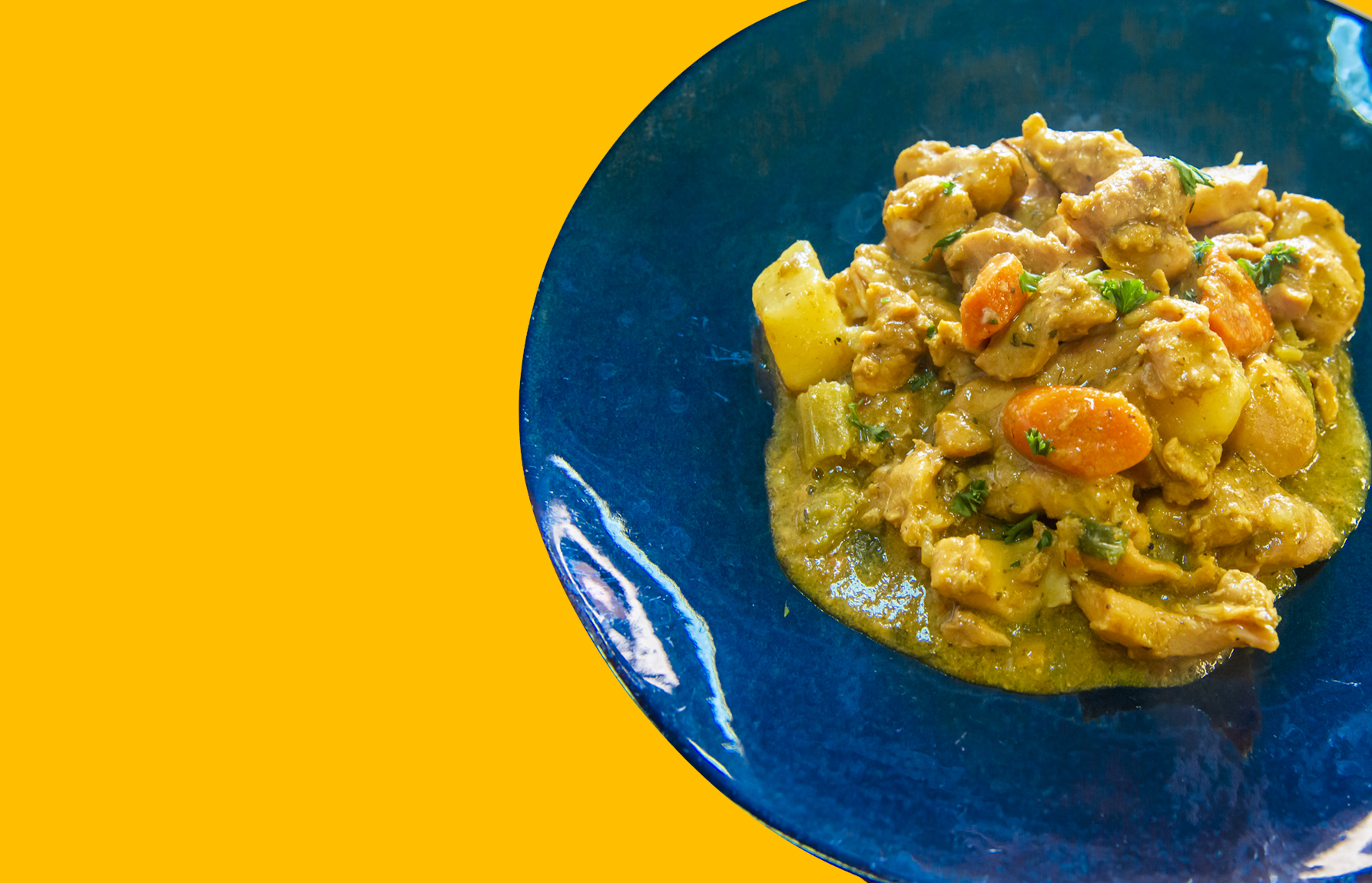
The phrase caribbean food centennial invites a rare kind of reflection. It suggests more than a festive meal or a nostalgic look backward. It asks what a hundred years of Caribbean foodways can teach us about endurance, adaptation, pleasure, and identity. Food in the Caribbean has never been a static inheritance. It has been worked, argued over, improvised, protected, and reimagined at the stove, in roadside cookshops, at fish markets, on sugar estates, in village yards, and around city dining tables.
A century is an appealing marker because it feels both intimate and historical. Many families can trace recipes through grandparents and great-grandparents, which brings the past close enough to smell and taste. At the same time, one hundred years captures major social shifts: colonial rule and independence movements, migration to North America and Britain, changing agricultural systems, tourism, urbanization, and the influence of global media on what people cook and what they value. Through all of that, Caribbean food has remained unmistakably itself, even as “itself” has never meant one thing.
That complexity deserves a tribute grounded in real dishes, real labor, and the communities that kept these traditions alive when ingredients were scarce, when imported tastes were treated as superior, and when local cuisines were too often flattened into a few familiar exports. To honor a centennial of Caribbean food is to honor a region whose culinary memory is braided from African, Indigenous, Indian, Chinese, European, Levantine, and creole influences, each transformed by climate, geography, trade, and the practical demands of feeding households day after day.
A region, not a single plate
One of the quickest ways to misunderstand Caribbean cuisine is to treat it as a single menu. The Caribbean is connected by sea, by shared histories of colonialism and plantation economies, and by migration, but no serious cook would confuse the food of Jamaica with that of Trinidad and Tobago, or Guadeloupe with Puerto Rico, or Barbados with Haiti. The seasonings, starches, preferred fats, cooking techniques, and ceremonial foods shift from island to island and from one coastline to another.
Rice and peas in Jamaica does not play the same role, or carry the same flavor profile, as pelau in Trinidad, arroz con gandules in Puerto Rico, or diri kole ak pwa in Haiti. Green seasoning in Trinidad is not epis in Haiti, though both serve as aromatic foundations. Pepperpot in Guyana holds a place distinct from sancocho in the Dominican Republic or callaloo in several islands, where the word itself can refer to different ingredients and textures depending on where you stand.
That regional variation matters because a proper culinary tribute should resist the temptation to smooth everything into a postcard version of the Caribbean. Too often, the conversation narrows to jerk, patties, rum punch, and perhaps a plate of fried plantains. Those foods are worthy in their own right, but they are only a small doorway into a much larger house.
The pantry built by history
Caribbean food is impossible to separate from the history that shaped its pantry. Cassava, sweet potato, maize, peppers, and many local fruits have deep Indigenous roots. Enslaved Africans brought agricultural knowledge, cooking methods, and tastes that profoundly influenced how provisions, rice, okra, yams, black-eyed peas, and leafy greens were prepared. Indian indentured laborers expanded the region’s relationship with curry blends, cumin, channa, roti, and methods of layering spices in fat before adding the main ingredients. Chinese migrants influenced stir-frying, noodle dishes, sauces, and restaurant traditions in several territories. European empires introduced livestock systems, wheat products, salted cod, sugar cultivation, and a hierarchy of taste that often privileged imported ingredients over local ones.
What makes Caribbean cooking so compelling is not the mere presence of these influences. It is the way they were absorbed into local logic. Curry goat in the Caribbean is not simply Indian curry moved overseas. It developed in new climates, with different peppers, different meat cuts, and different expectations about thickness, heat, and side dishes. The same is true of codfish fritters, coconut bakes, black cake, cassava bread, and countless stews that carry a traceable ancestry yet belong wholly to the Caribbean table.
A useful way to think about the caribbean food centennial is as a century of deliberate adaptation. Cooks worked with what was abundant, what was affordable, and what had to be stretched. Saltfish was embraced not because it was fashionable but because it stored well and fed families. Breadfruit became indispensable because it yielded. Coconut moved from tree to pot in every possible form, milk, grated flesh, oil, water, sweet filling, savory thickener. Pepper was not just heat for heat’s sake. It sharpened, preserved, perfumed, and, in some cases, signaled a cook’s hand.
The genius of seasoning
Anyone who has spent time in a serious Caribbean kitchen understands that flavor starts long before the pot goes on the fire. It starts with seasoning, and not in the narrow sense of adding salt and pepper at the end. Seasoning is architecture. It is how a cook layers thyme, scallion, onion, garlic, celery, pimento, culantro, parsley, Scotch bonnet, ginger, allspice, lime, vinegar, curry powder, or browning sauce according to the needs of the dish and the customs of the household.
There is professional skill here, but there is also instinct. In many homes, measurements are elastic. A grandmother may rub green seasoning into chicken until it “looks right,” then leave it to rest not by the clock but by experience. She knows when fresh thyme should dominate and when it should recede. She knows that coconut milk can soften aggressive heat but also dull a dish if overused. She knows that a stew given ten extra minutes after the oil rises and the liquid tightens can cross from good to unforgettable.
This kind of knowledge rarely enters official culinary histories, yet it is central to any honest tribute. Caribbean food survives through memory carried in the hands. A young cook learns what “burn the curry a little” means only by watching, smelling, and making mistakes. Browning sugar for stew without taking it too far is a lesson that cannot be mastered from a paragraph alone. The same goes for kneading dough for bakes, judging the age of a breadfruit before roasting, or balancing acid in a pepper sauce so that the fruit notes remain visible beneath the heat.
Fire, smoke, and patience
Few culinary traditions understand fire the way Caribbean cooks do. Open-flame methods remain some of the most expressive in the region, whether the fuel is charcoal, pimento wood, coconut husk, or a backyard grill improvised from necessity. Smoke is not an accessory. It is part of the structure of flavor.
Jerk is the best-known example, but it is often poorly represented outside Jamaica. Authentic jerk is not simply “spicy grilled meat.” It is a method with lineage, rooted in preservation, marination, and slow exposure to smoke and heat. The seasoning itself, often built around Scotch bonnet, scallion, thyme, allspice, and sometimes ginger or cinnamon, matters enormously, but the wood and the pace of cooking matter too. Meat cooked too quickly misses the point. What you want is penetration, not just surface impact.
The same principle holds elsewhere. Roasted breadfruit develops a subtle nuttiness that boiled breadfruit never quite reaches. Fire-roasted corn sold on the roadside, salted and buttered, tastes of place as much as of grain. Fish grilled whole over coals, stuffed with herbs and rubbed with citrus, acquires a skin and aroma that no indoor appliance can fully mimic. In these foods, patience is an ingredient. So is restraint. A cook with good judgment knows when smoke deepens flavor and when it begins to flatten freshness.
Market food and domestic food
Another truth worth keeping in view during any caribbean food centennial celebration is that public favorites and private staples are not always the same thing. Visitors often meet Caribbean food through street snacks, festival dishes, and restaurant classics, and there is nothing wrong with that. Patties, doubles, bake and shark, accras, pholourie, codfish cakes, and coconut drops deserve their popularity. They showcase skill, portability, and pleasure.
But the soul of a cuisine often lives in the less glamorous meals that feed households on ordinary days. Stewed lentils with rice. Provision soup thickened with yam and dasheen. Saltfish cooked with tomatoes and onions, then stretched across breakfast and lunch. A pot of pigeon peas and rice perfumed with coconut milk. Macaroni pie baked until the corners darken. Callaloo prepared differently depending on what leaves are available and how many people are expected to eat.
These foods rarely receive the same glossy treatment as celebratory platters, yet they tell a fuller story about thrift, local agriculture, and culinary intelligence. They also reveal class distinctions. Some dishes associated today with comfort or authenticity emerged precisely because people had to make the most of inexpensive cuts, preserved fish, offal, root crops, or garden produce. Over time, necessity became tradition, and tradition became pride.
That transformation is common across the world, but in the Caribbean it carries a particular weight because colonial systems worked hard to define value from the outside. Imported flour could be treated as more refined than ground cassava. Tinned goods could signal status even when fresh local produce was nutritionally richer and more flavorful. Many home cooks navigated those pressures without abandoning local knowledge. That, too, is part of the centennial story.
The sweetness of memory
Caribbean desserts deserve far more respect than they often receive in broad food writing. Much attention goes to savory dishes, especially the spicy and smoky ones, but the sweet table is every bit as layered. It reflects the region’s sugar history, yes, but also its fruit abundance, festival calendars, and gift traditions.
Black cake is perhaps one of the clearest examples of a dessert tied to memory and occasion. Dense with dried fruit, dark from browning and sometimes molasses, enriched by rum or wine, it rewards time and patience. A good black cake is not merely sweet. It carries bitterness, spice, alcohol warmth, and the almost floral depth that comes from properly macerated fruit. Families debate texture fiercely. Some want it caribbean food centennial smoother, others coarser. Some swear by prunes, others by raisins and currants alone. Those arguments are part of the pleasure.
Then there are simpler sweets that say just as much about a place: tamarind balls rolled in sugar, coconut fudge, cassava pone, sweet potato pudding, grater cake, guava pastries, and spice buns. These are not museum artifacts. They belong to school breaks, church fairs, roadside stalls, and family kitchens where dessert does not need ceremony to matter.
The centennial lens sharpens another point here. Sweetness in the Caribbean is inseparable from the history of sugar, and that history is painful. A culinary tribute should not ignore that. Yet the answer is not to flatten every sugar-based dish into a symbol of exploitation. Better to acknowledge the history honestly while also honoring the creativity of cooks who transformed the products of brutal systems into food with emotional meaning, festive power, and local specificity.
Migration changed the table, but did not erase it
Over the past century, migration has reshaped Caribbean food in profound ways. Families moved from island to island, then outward to London, Toronto, New York, Miami, and beyond. Recipes traveled in notebooks, memory, and telephone calls. Ingredients that once seemed nonnegotiable became difficult to source. Cooks substituted when they had to. Scotch bonnet became habanero. Dasheen gave way to spinach. Fresh breadfruit became frozen, or disappeared altogether. Saltfish remained, but green fig did not always follow.
Some substitutions worked beautifully. Others were tolerated rather than loved. Anyone who has tasted callaloo made with what was available instead of what was ideal knows the difference. And yet diaspora cooking developed its own authority. It kept traditions alive under altered conditions. It also fed back into the region through remittances, travel, and media. Today it is common to see Caribbean cooks abroad professionalize dishes that were once confined to the home, refining presentation without losing flavor.
This exchange has had trade-offs. Wider visibility brought pride and commercial opportunity, but it also encouraged simplification. Menus for non-Caribbean audiences often repeat the same safe items, while more nuanced dishes remain underrepresented. Tourism has done something similar within the region. Resorts may serve “Caribbean-inspired” food that is pleasant enough but detached from local practice, heavy on sweetness, light on complexity, and stripped of the slow methods that give these cuisines their soul.
A worthy centennial tribute pushes back against that flattening. It insists that authenticity is not rigidity, but neither is it marketing language. A plate should still tell the truth about where it comes from.
What deserves protecting over the next hundred years
If a centennial asks us to honor the past, it also asks what is at risk now. Caribbean food traditions are resilient, but they are not invulnerable. Climate pressures affect fisheries, rainfall patterns, and crop reliability. Imported processed foods remain deeply influential and, in many places, cheaper or more convenient than cooking from scratch. Younger generations may love the taste of traditional dishes while lacking the time or confidence to prepare them. Hospitality sectors can elevate local cuisine, but they can also standardize it for speed and volume.
The answer is not nostalgia for some imagined pure past. Caribbean food has always changed. The challenge is to preserve the knowledge that matters most while allowing room for contemporary life. In practical terms, that means protecting seed varieties, supporting local fishers and farmers, documenting home recipes without forcing them into rigid formulas, and making culinary education broad enough to include domestic traditions, not only restaurant technique.
Several efforts matter especially here:
- Teaching children how to season, taste, and judge doneness by practice, not only by recipe cards
- Supporting markets where local produce remains visible and economically viable
- Valuing regional dishes in schools, media, and formal hospitality training
- Recording elders’ methods before memory is lost
- Making space for innovation that respects structure and history rather than chasing novelty for its own sake
None of these tasks is glamorous, but all of them are urgent. Once a generation loses the feel for certain dishes, bringing them back becomes far harder than reviving a single recipe from a book.
The meals that gather people
Food anniversaries can become abstract if they drift too far into heritage language. The best way to understand a century of Caribbean cooking is still to sit at a table and watch what happens. Someone arrives late and is fed anyway. A pot is quietly stretched for two extra people. Hot sauce appears from a reused bottle, stronger than anything sold commercially. The cook dismisses praise, then notices exactly what was left on every plate. Rice is discussed seriously. So is whether the plantain was allowed to caramelize enough.
That scene repeats across islands and diasporas because Caribbean food is social architecture. It creates occasions even when no official occasion exists. Sunday lunch, wakes, weddings, Christmas mornings, beach limes, post-church meals, carnival fuel, Ramadan iftar in Muslim communities, Divali sweets, Easter buns, market breakfasts, fisherman’s soup after dawn, all of these are culinary events, and all carry forms of etiquette. Who serves first, who takes the last dumpling, how much pepper is offered before warning someone, what must be on the table for a holiday meal to feel complete, these details matter.
This is where food becomes tribute in the deepest sense. Not because the dishes are picturesque, but because they sustain belonging. A bowl of soup on a rainy day, a plate of stewed chicken with rice and peas after travel, a piece of black cake wrapped to take home, these gestures keep a culture warm.
A centennial worthy of the name
If we take the idea of a caribbean food centennial seriously, the tribute cannot stop at admiration. It should lead to sharper attention. Taste more widely across the region. Learn the difference between dishes that outsiders lump together. Ask older cooks about process, not just ingredients. Support the vendors and small restaurants doing patient work. Treat humble food with the same respect given to luxury dining. Notice how often the best Caribbean cooking depends on timing, intuition, smoke, acidity, texture, and memory rather than expensive inputs.
A century of Caribbean food tells a story of people who turned survival into style without ever confusing the two. It is the story of root crops made elegant, preserved fish made beloved, spice blends made local, and techniques shaped by wind, heat, migration, and scarcity. It is also a story of celebration, because joy has always had a place at the table.
That is what deserves honoring. Not a simplified fantasy of tropical abundance, but the full, seasoned truth: the labor, the inheritance, the invention, and the unmistakable pleasure of food that knows exactly where it comes from.
Reggae Pot Jamaican Grill
Address: 7562 S University Blvd Unit C, Centennial, CO 80122
Phone: (303) 997-5623
FAQ About caribbean food centennial
What Jamaican dishes can I try in Centennial?
Reggae Pot Jamaican Grill serves Jamaican specialties such as jerk chicken, stewed oxtail, curry goat, and ackee and saltfish. Check the current menu for availability.
What is ackee and saltfish?
It is Jamaica’s national dish. The restaurant prepares ackee with salted cod, onions, thyme, tomatoes, garlic, black pepper, and pimento.
Can I order Jamaican food for pickup in Centennial?
Yes. Choose the Centennial location at 7562 S University Blvd Unit C when placing a takeout order.
❧